

Platforms
Business Platforms
Platforms that power a whole market or workflow — the kind of product we also build and operate for ourselves, like QBISA and Orchanto. We architect business platforms for scale, security, and longevity, turning a category insight into software a market depends on.
Engineered to production standard · fully owned
The problem
Owning a category means software an entire market depends on — and most teams can't architect for many participants, high stakes, and years of operation.

Our approach
We design and operate vertical platforms — like our own QBISA and Orchanto — engineered for scale, trust, and longevity.
Your business, as a platform.
Vertical platforms that run your whole operation — storefront, back-office and data on one core.
- TargetUptime
- 99.9%
- TargetFaster launch
- 3×
- TargetTooling cost
- −50%
- TargetOrders / day
- 10k+
Figures are targets we engineer to on a typical engagement — not averaged client results.
A platform, not a website
- Storefront
- Operations
- Data
- Integrations
- Growth
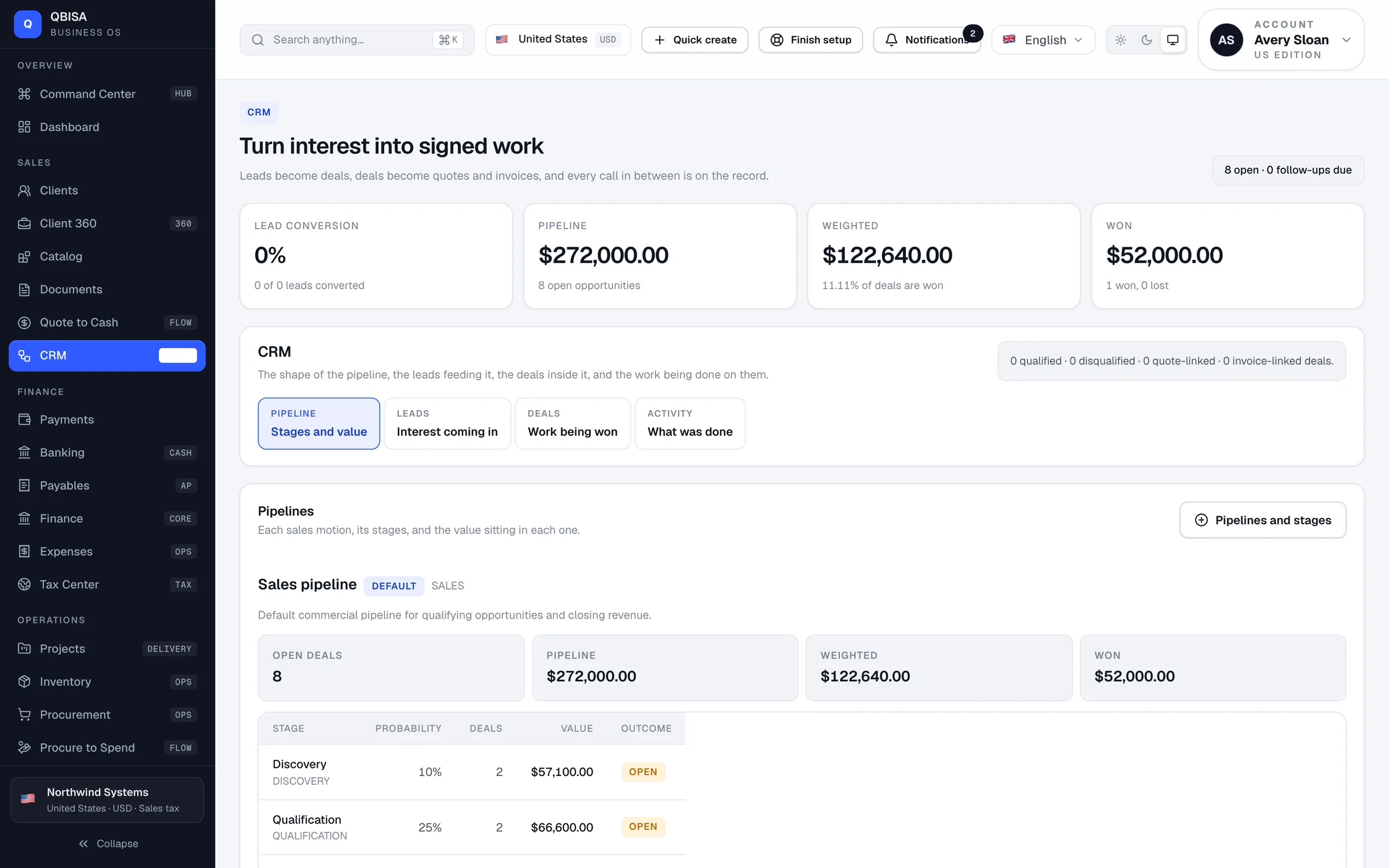
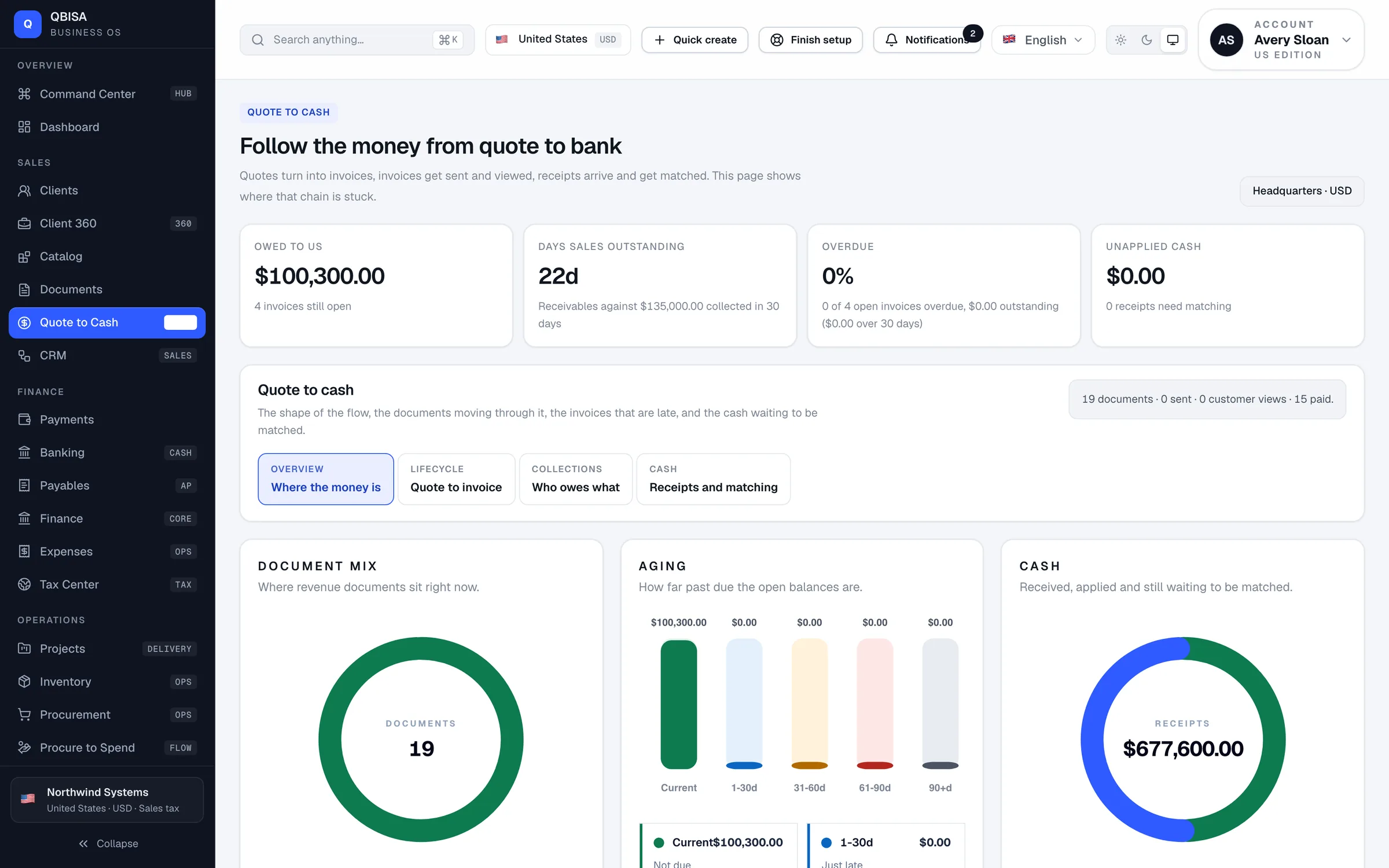
Our own product
QBISA
A next-generation ERP for companies of up to 10,000 employees
Read the case studyWho this is for
Founders building a marketplace
Get the identity, payments, and trust & safety infrastructure a multi-sided platform needs from day one.
Industry incumbents digitizing a workflow
Turn a workflow your market already runs on paper or spreadsheets into the platform it depends on instead.
Teams ready to own a category
Architect for years of operation and many participants, not a single tenant — with us operating alongside you.
Where teams put it to work

Marketplaces
Two-sided platforms with payments, payouts, and trust between parties.
Vertical portals
Software an entire industry logs into to get work done.
Operator platforms
The system you operate as the business itself.

Why this, why now
Platforms that own a category compound — every new participant makes it more valuable.
Getting the architecture right at the start is the difference between owning a market for a decade and renting space in someone else's platform instead.
Typical timelines
Ballpark, for a focused first version — not a guarantee, a starting point for scoping.
- Single-sided directory / platform MVP8–10 weeks
- Two-sided marketplace with payments12–16 weeks
- Full platform (trust & safety, search)16–20 weeks
- Multi-market operator platform20+ weeks
How we build Business Platforms

Define
Turn a category insight into a platform architecture.
Build
Multi-sided flows, identity, payments, and trust & safety.
Launch
Go live with the reliability a market depends on.
Operate
Scale, support, and evolve the platform over years.
What we ship
- Multi-sided platform architecture
- Identity, payments & payouts
- Trust, safety & moderation
- Search, matching & discovery
- Analytics & operator tooling
- Long-term operation & support
Typical stack
- Next.js
- PostgreSQL
- Stripe Connect
- Search
- Queues
- Vercel

Related work
Questions, answered
Both. We build and run our own platforms, so we engineer for operation from day one.
Marketplace payments, escrow, and payouts via providers like Stripe Connect.
That's the point — we architect for participants and load, not a single tenant.

Tell us about your Business Platforms project
Let's turn it into something that earns its place in production.

A specialist reads every message personally — usually within one business day.

Running a business on spreadsheets?
Book a strategy call. We'll discuss your goals, the architecture, and how we'd build it.